the boring bits that matter
Technique notes
The recipes tell you what to do. These guides explain why, so you can fix things when your kitchen, your oven or the weather does not cooperate.
Quick answer
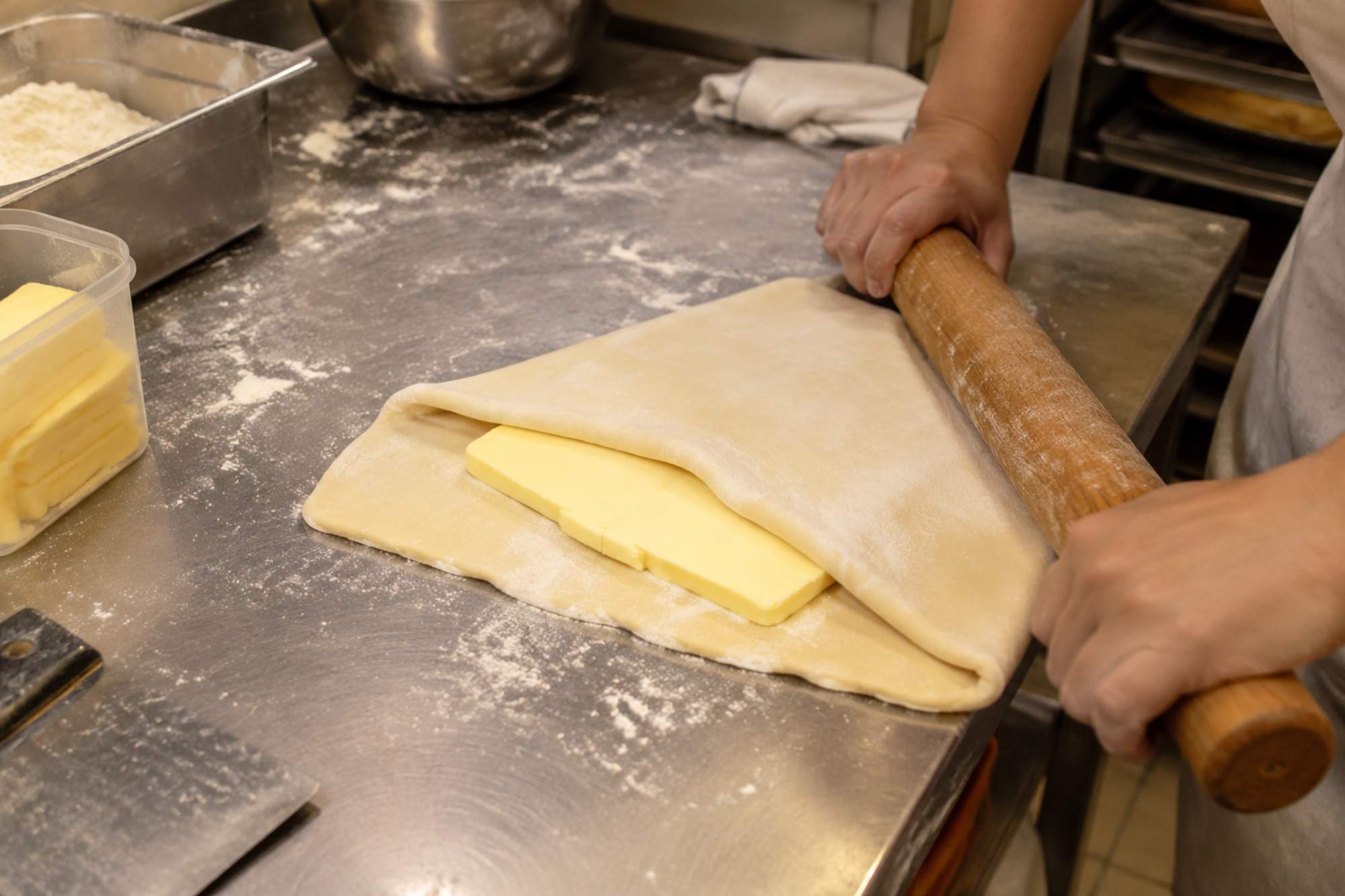
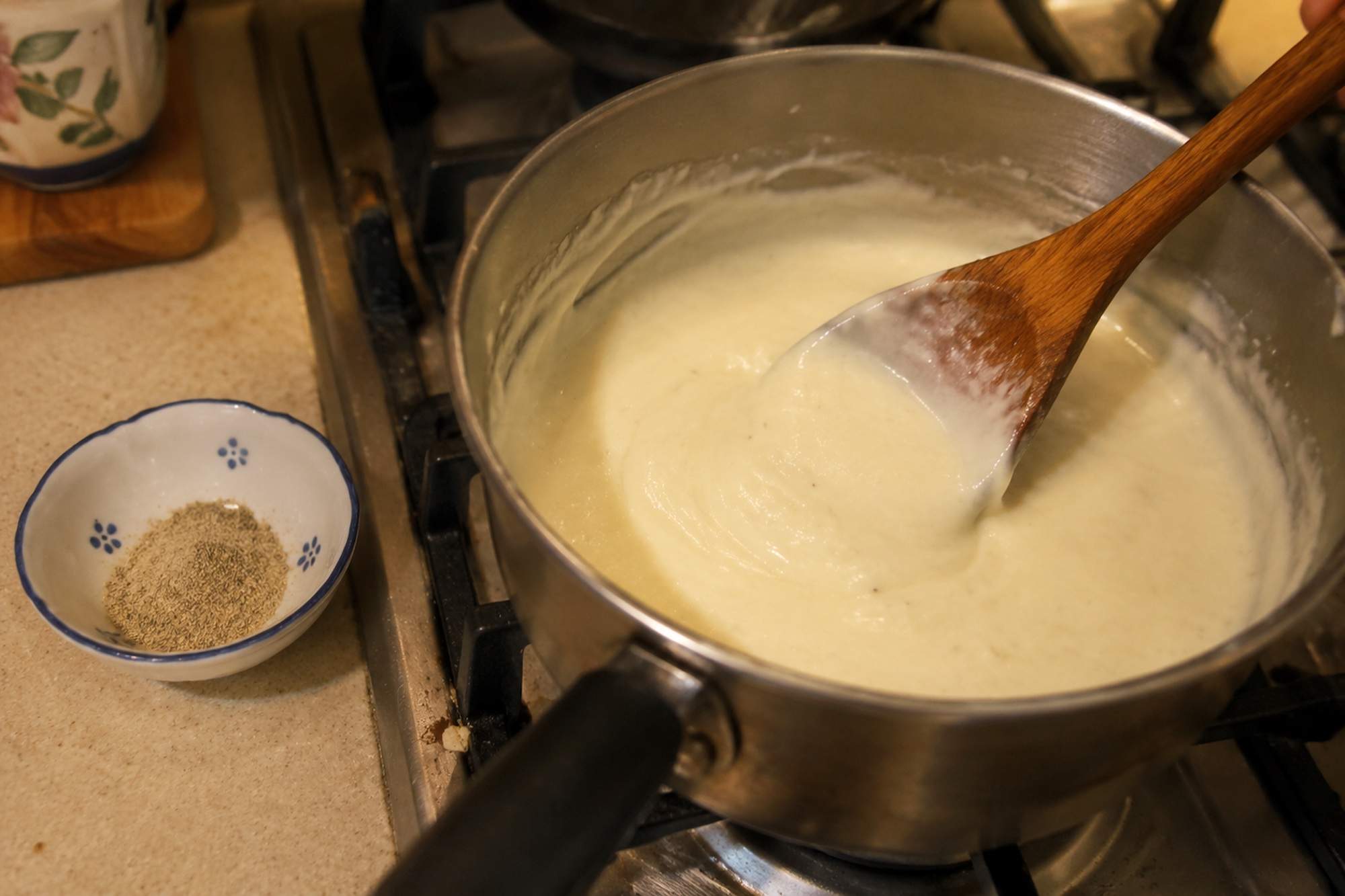
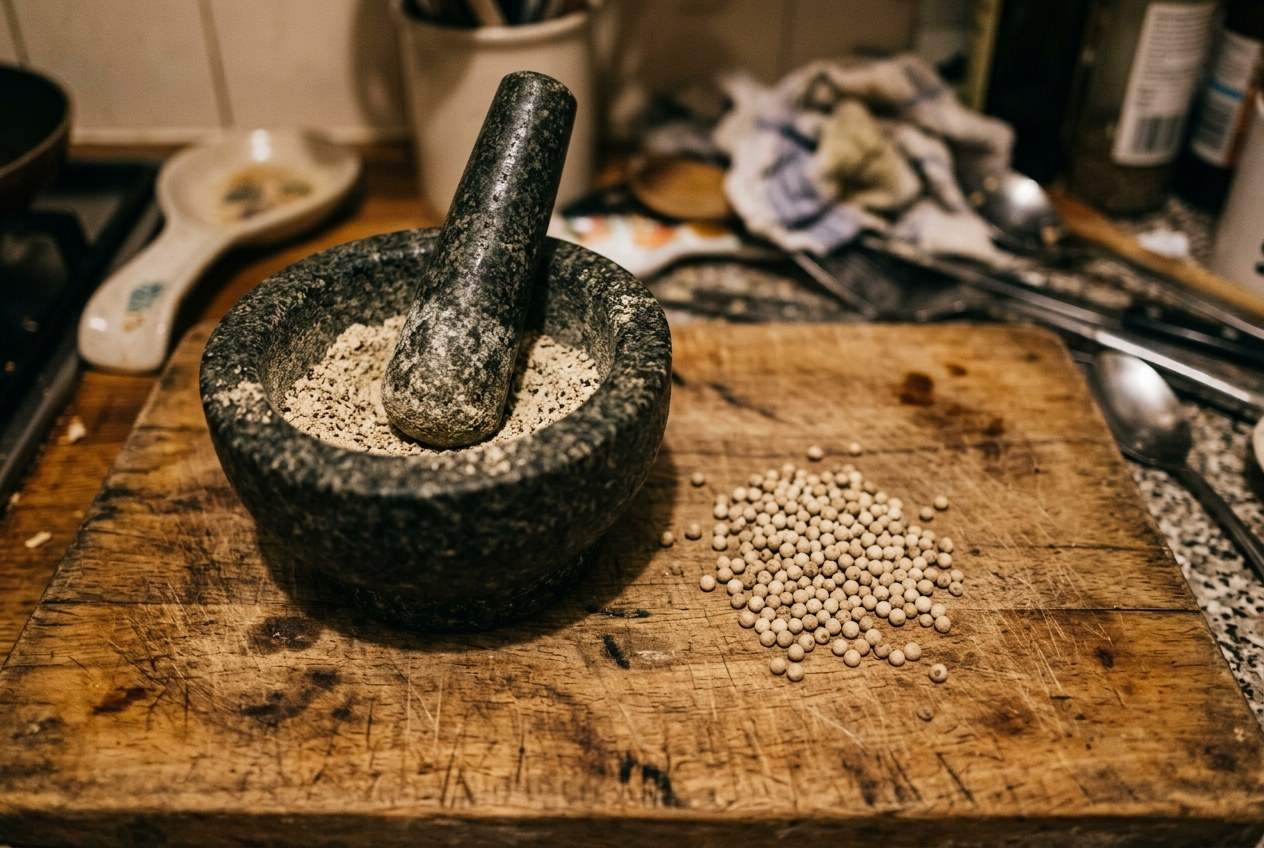
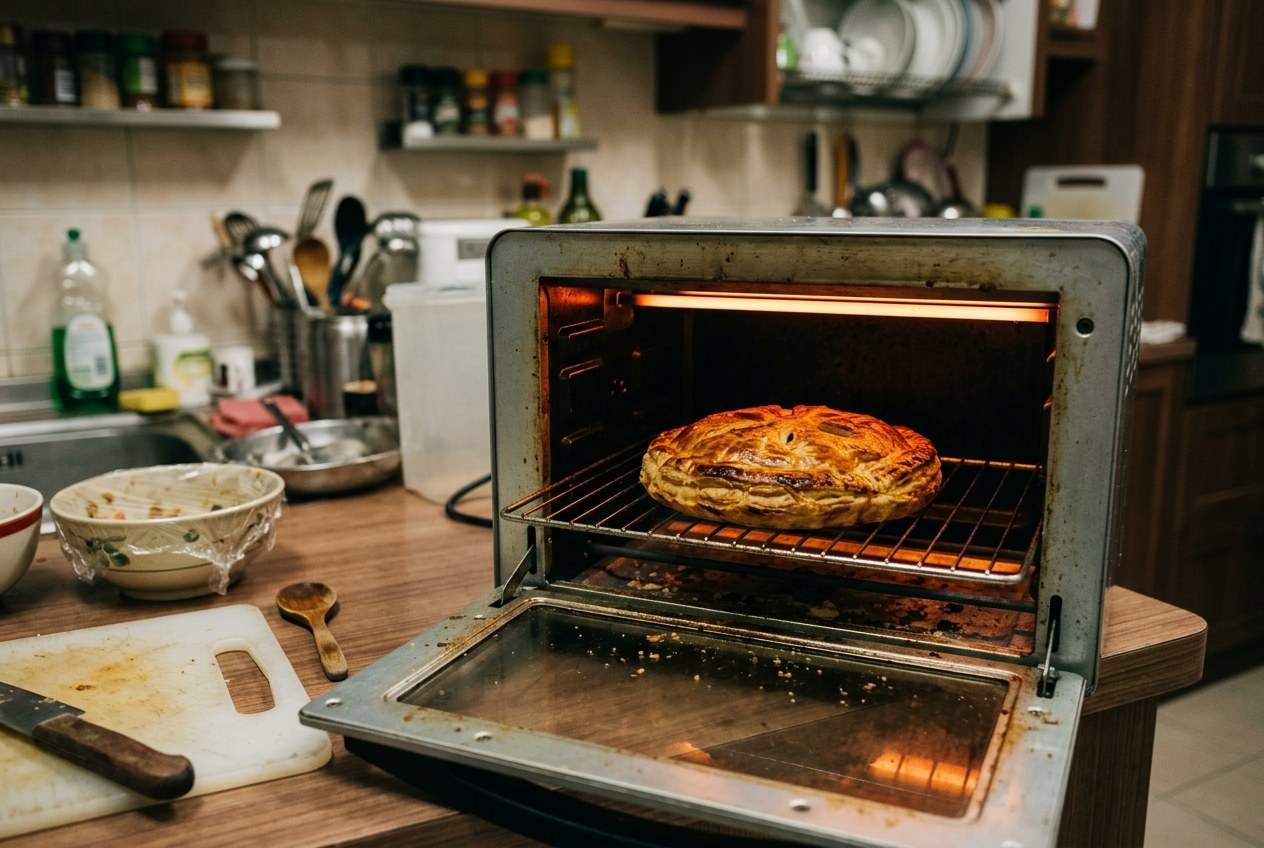
Four technique guides explain the skills behind an Oven Marvel-style chicken pie: laminating butter puff pastry in Singapore heat, making a bechamel thick enough for a puff pastry filling, seasoning with white pepper, and reheating puff pastry pies so the base stays crisp and the centre reaches a safe 75 C.
Why does technique matter so much for this pie?
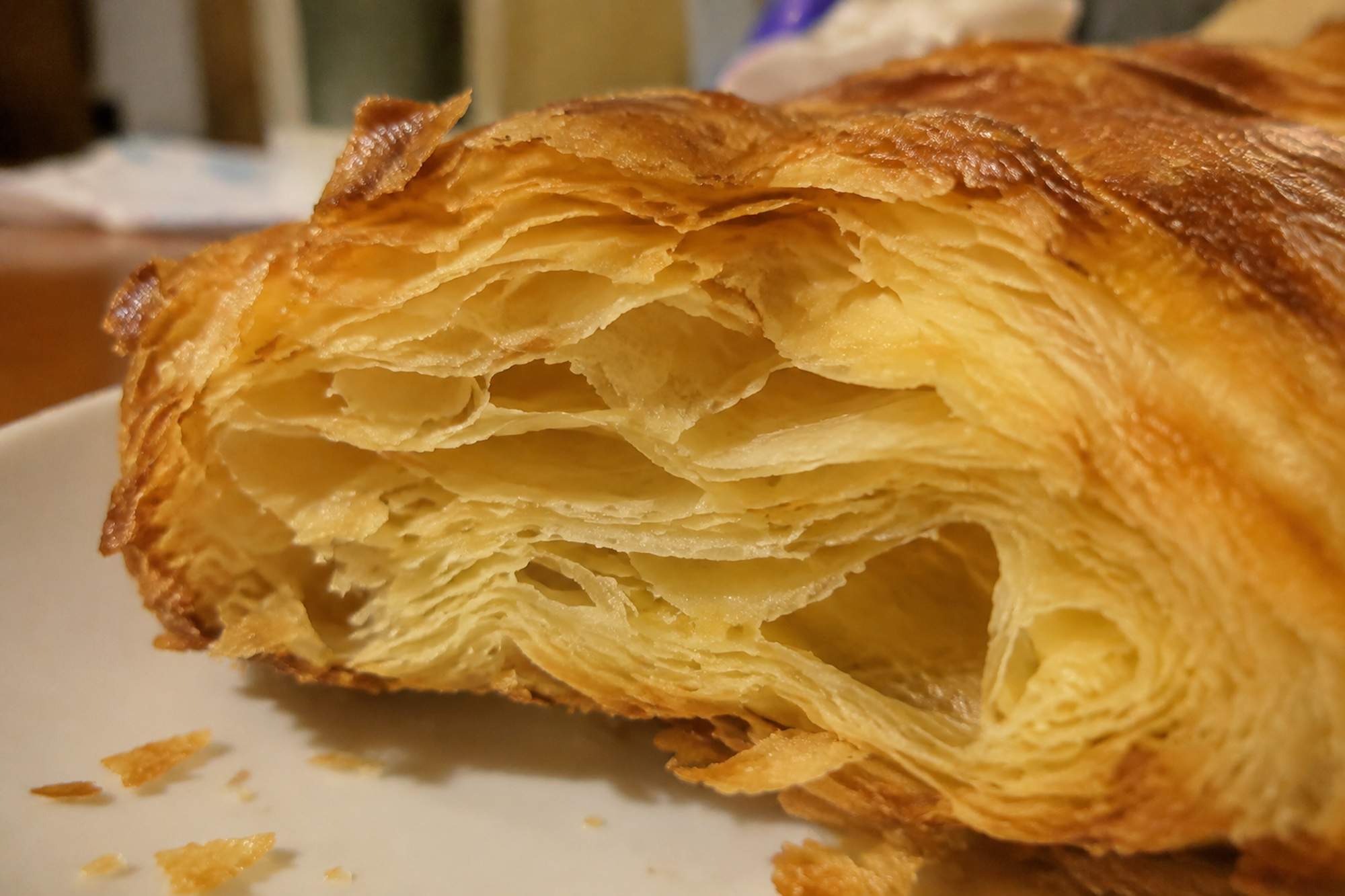
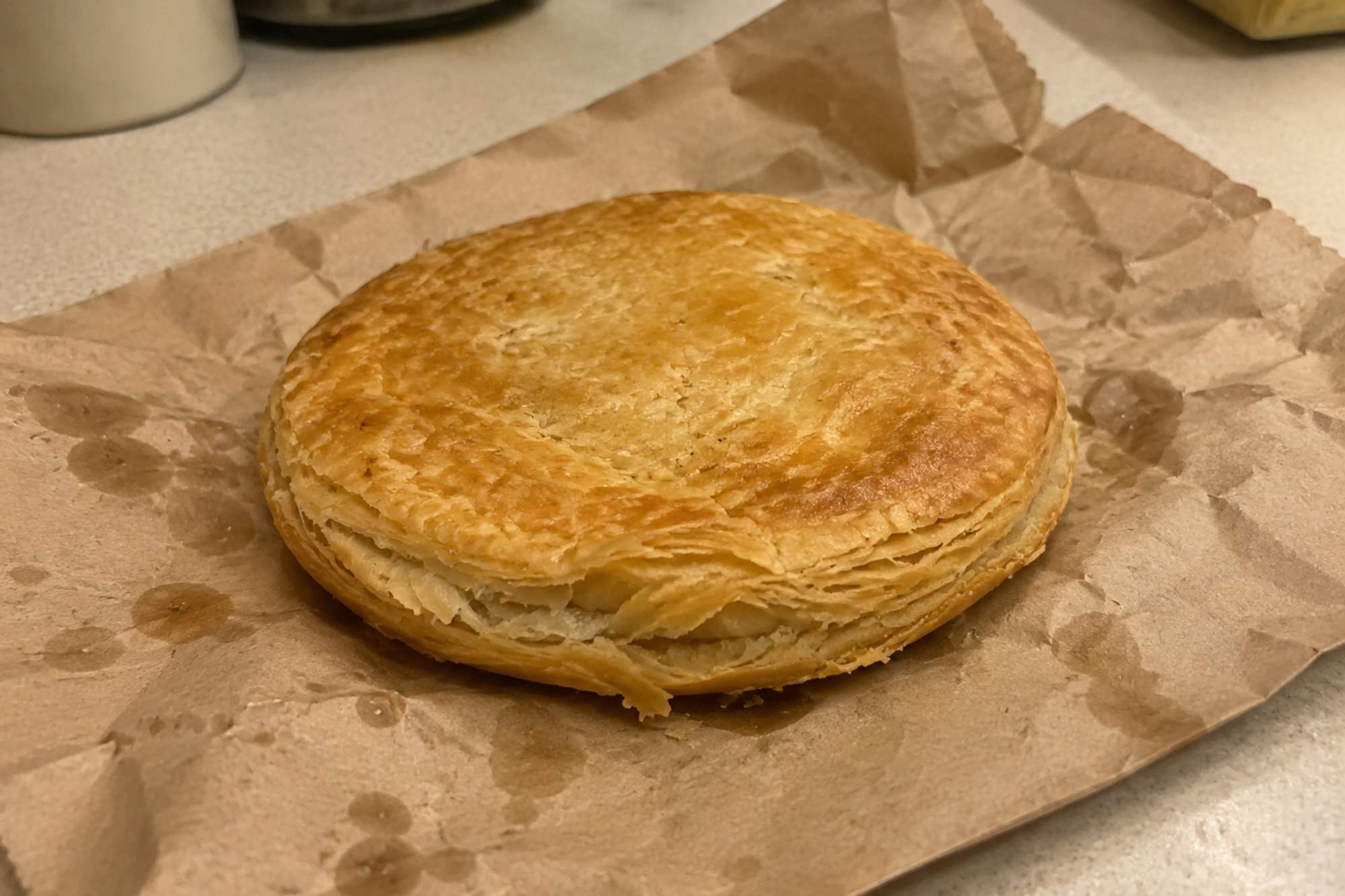
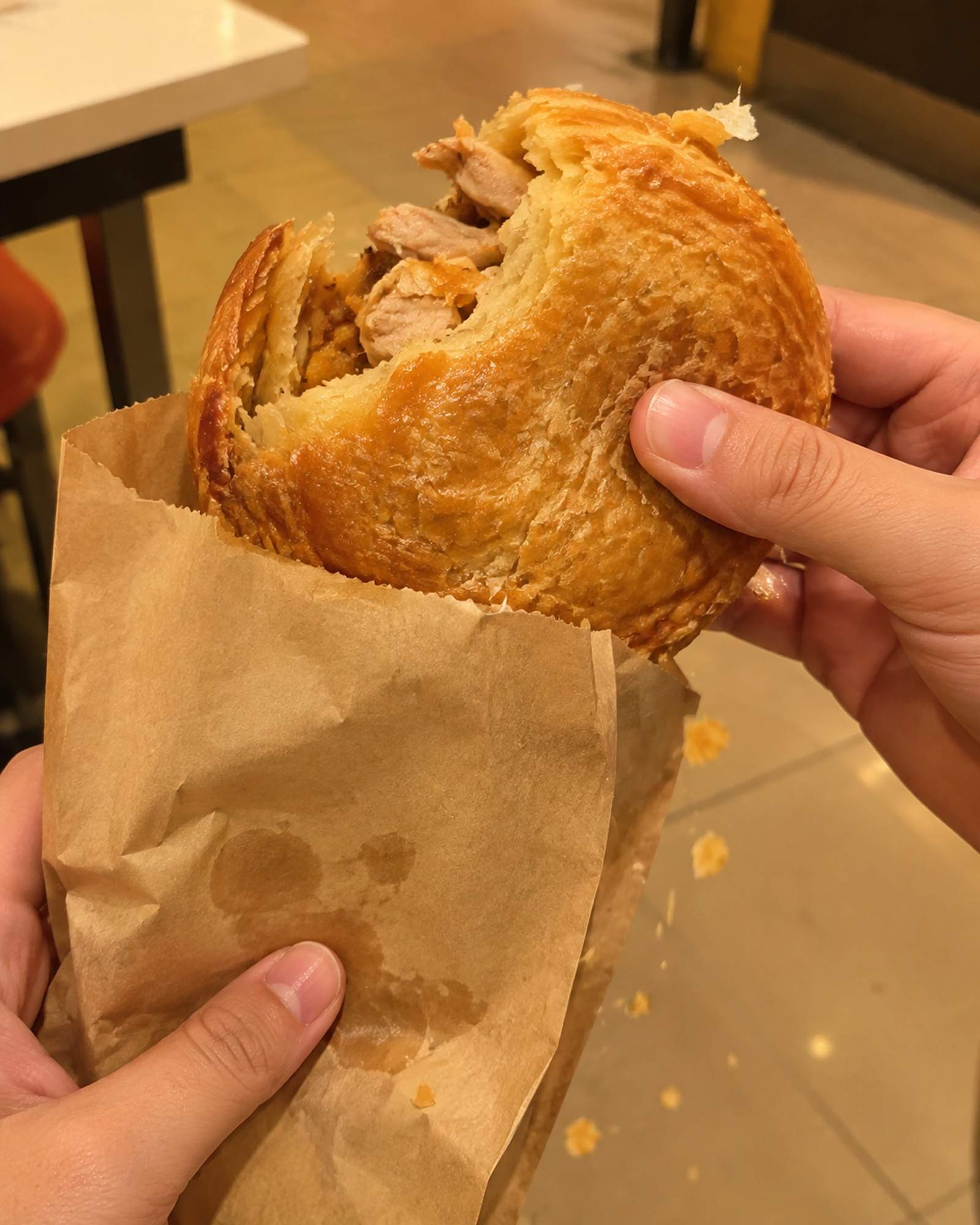
Because the Oven Marvel chicken pie was mostly technique. It had a short ingredient list: flour, butter, chicken thigh, milk, a few vegetables, pepper. What made it memorable, according to everyone who wrote about it, was the all-butter puff pastry made by hand in the shop, crisp outside and soft where it met the sauce, and a filling that was creamy, peppery and just thick enough. Both are easy to describe and surprisingly easy to get wrong at home, especially in a warm kitchen.
Each guide below answers the questions I had to answer the hard way. They draw on standard pastry practice, on a few published sources such as a hotel pastry chef's account of chilling butter puff pies in Singapore heat, and on my own recreation log. Food safety advice follows recognised guidance, including the Singapore Food Agency's temperature danger zone.
Which guide should I read first?
- Your pastry melts, leaks or bakes like bread: laminating in Singapore heat.
- Your filling runs or your base goes soggy: bechamel thickness for pie filling.
- Your pie tastes nice but not like the memory: white pepper.
- You have leftovers: reheating puff pastry pies.
The lamination counter
Puff pastry rises because thin sheets of butter separate thin sheets of dough. Each fold multiplies the butter sheets. Pick a fold and a number of turns and the counter does the arithmetic.
1 × 3 × 3 × 3 × 3 = 81 butter sheets
- Butter sheets
- 81
- Dough sheets
- 82
- Layers in total
- 163
Four letter folds: the rough puff in my recreations. Real rough puff has butter in flattened lumps, not a perfect sheet, so treat this number as a ceiling.
| Folding | Arithmetic | Butter sheets | Total layers |
|---|---|---|---|
| Croissant dough, three letter folds | 1 × 3 × 3 × 3 | 27 | 55 |
| My rough puff, four letter folds | 1 × 3 × 3 × 3 × 3 | 81 | 163 |
| Two book folds then one letter fold | 1 × 4 × 4 × 3 | 48 | 97 |
| Classic puff pastry, six letter folds | 1 × 3 × 3 × 3 × 3 × 3 × 3 | 729 | 1,459 |
| Four book folds | 1 × 4 × 4 × 4 × 4 | 256 | 513 |
Why dough sheets are one more than butter sheets: when you fold, the dough on the outside of one layer presses against the dough of the next and they fuse, so every butter sheet ends up with dough on both sides and nothing else. That is the same reason six letter folds are usually quoted as 729 butter layers and not 1,458.
Keep reading